
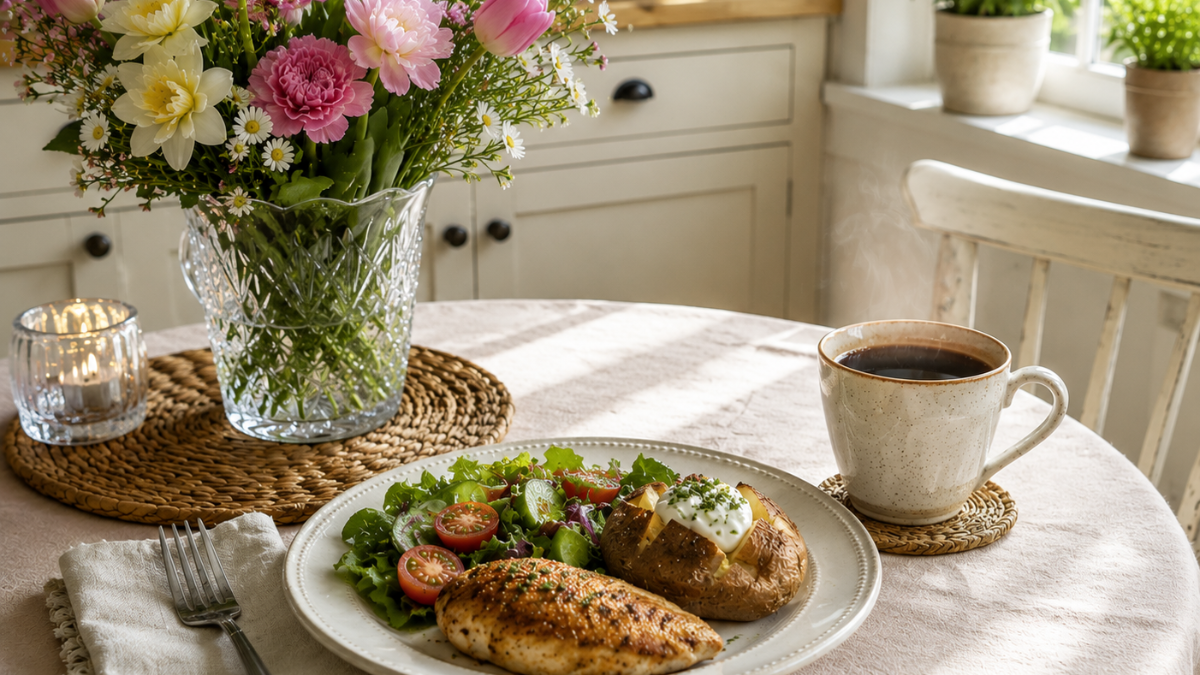
Nutrition during menopause is a completely different ballgame.
The way you’ve eaten all your life may suddenly not work the same anymore.
You may notice stronger cravings, lower energy levels, changing appetite patterns, and weight that seems to slowly keep creeping upward.
Some days you feel hungry all the time. Other days, you barely feel like eating at all.
Does any of this sound familiar?
The good news is that healthy eating during menopause does not have to be complicated. Small, realistic changes over time can make a meaningful difference in how you feel.
In this guide, we’ll take a look at why healthy eating often becomes harder during menopause — and simple ways to support your body without feeling overwhelmed.
Let’s get started.
Here’s What You Need to Know
Menopause is a major life transition. (As if you didn’t know this already.)
Hormonal changes can affect your metabolism, cravings, sleep patterns, appetite, weight, energy levels, and even your bone health.
One of the biggest challenges during menopause is that healthy eating often becomes harder because of fatigue, increased sugar cravings, time constraints, caregiving exhaustion, and loneliness.
And these are just a few of the challenges many women over 50 face.
The good news is that healthy eating during menopause does not have to feel overwhelming.
When you plan meals carefully and eat with intention, it’s possible to make small, realistic dietary changes that can help you feel better and support your health.
Key Takeaways
- Hormonal changes during menopause can affect appetite, cravings, metabolism, and energy.
- Protein becomes especially important after 50 for muscle and metabolism support.
- Hydration, fiber, and healthy fats may help support overall wellness during menopause.
- Small, consistent nutrition changes are often more effective than restrictive dieting.
- Healthy eating during menopause should feel realistic, supportive, and sustainable.
Table of Contents
- Why Does Healthy Eating Feel So Much Harder During Menopause?
- Why Nutrition Matters During Menopause
- Small Nutrition Changes Can Make a Big Difference
- Putting It All Together: Simple Meal Ideas During Menopause
- FAQ
- What Is the Single Most Important Dietary Change a Woman Can Make During Menopause?
- Can What I Eat Really Affect Hot Flashes and Menopause Symptoms?
- Should Women Over 50 Take Supplements, or Is Food Enough?
- Is Weight Gain During Menopause Inevitable?
- I’ve Tried to Eat Healthy for Years and Always End Up Back Where I Started. What’s Different This Time?
- Ready to Take the Next Small Step?
Why Does Healthy Eating Feel So Much Harder During Menopause?
When it comes down to it, healthy eating has two parts.
First, you need to know what to eat and how to plan meals that support your changing nutritional needs after 50.
Then, you also have to buy the food, prepare the meals, and find the energy and motivation to stay consistent.
And frankly, sometimes this is easier said than done.
Many women already have a lifelong history of frustration with dieting and healthy eating. Then menopause arrives, and suddenly their bodies seem to respond differently to food than they once did.
At the same time, stress and emotional overwhelm can create very real barriers to good nutrition.
Hormonal changes may affect appetite, increase cravings, lower energy levels, and disrupt sleep — all of which can make healthy eating feel even more difficult.
These physical and emotional ups and downs are real challenges, and it’s easy to become discouraged.
But understanding why healthy eating feels harder during menopause is the first step toward making realistic changes that truly support your health.
Hormonal and Physical Changes
Menopause can affect far more than hot flashes and mood swings. Hormonal changes may also influence your appetite, food cravings, metabolism, digestion, and energy levels.
In other words, some days you feel on top of the world…
And other days, not so much.
Many women notice:
- stronger cravings for sugar or comfort foods (think chocolate chip mint ice cream)
- less energy to cook healthy meals (“why not just order pizza?”)
- increased hunger at unusual times (“I just ate an hour ago, and I’m starving!”)
- stubborn weight gain around the abdomen (“I really wish I could get into my favorite jeans”)
- poor sleep, which can increase cravings and emotional eating (“I know I shouldn’t have that extra serving of French fries”)
- bloating or digestive discomfort that makes healthy foods feel less appealing (“but I’ve always been able to eat foods like raw onions or broccoli before”)
And so it goes.
At the same time, your body may also need more support from nutrients like protein, calcium, magnesium, and vitamin D.
All of this can make nutrition during menopause feel confusing, frustrating, and sometimes downright overwhelming.
Emotional and Psychological Challenges
Now on to some of the more delicate topics.
The emotional side of eating during menopause is rarely discussed — but it matters more than many women realize.
Some women feel exhausted after years of restrictive dieting and conflicting nutrition advice. Others struggle with emotional eating tied to stress, anxiety, loneliness, or major life transitions.
Retirement, caregiving, an empty nest, divorce, or the loss of a loved one — just to touch on some of the bigger life changes — can completely disrupt long-established routines around cooking and meals.
And when healthy eating starts to feel difficult, many women fall into an “all-or-nothing” mindset:
“I already ate badly today, so I might as well start over Monday.”
“I hate eating alone, so I think I’ll just skip dinner. I’m not that hungry after all.”
Unfortunately, that cycle often leads to even more frustration and discouragement, which can make it harder to nourish your body well over time.
Social and Lifestyle Barriers
Healthy eating can also become harder because of everyday lifestyle realities.
Cooking for one or two people may feel tiring, frustrating, or even wasteful at times.
And honestly, this is something people rarely talk about.
Eating alone can reduce motivation to prepare balanced meals. If we’re honest, it takes real time and effort to plan, shop for, and cook healthy meals on a regular basis.
On top of that, busy schedules, caregiving responsibilities, emotional stress, and exhaustion can make convenience foods feel easier and far more manageable.
Many women also feel overwhelmed by constantly changing nutrition advice.
One year carbs are the problem. The next year it’s fat. Then sugar. Then processed foods.
After a while, it becomes difficult to know what to believe anymore.
Practical Challenges Women Over 50 Face
For many women, healthy eating is not simply about knowledge — it’s also about energy, time, finances, and physical comfort.
Arthritis, fatigue, joint pain, or low energy can make meal preparation genuinely difficult. Grocery costs may also make fresh foods feel harder to afford, especially during retirement or if money is tight.
And honestly, after a long day, cooking a healthy meal from scratch may simply feel overwhelming.
That’s why small, manageable changes are often far more realistic — and far more sustainable — than trying to completely overhaul your diet overnight.
Let’s take a look at a few ideas to help you plan easy and healthy meals.
Simple Meal Planning Tips for Good Nutrition
Healthy eating becomes doable when you have a system and a plan.
Let’s take a look at different types of meal planning that can help you.
- The formula plan
- 3-5 ingredient crockpot meals + a vegetable (if not already included)
- One-pan skillet meals
- Sheet pan dinners
- Easy homemade soup + a whole grain roll
The Formula Plan
Sometimes the easiest meals are the simplest ones.
A balanced meal can often be as easy as:
- protein
- starch or whole grain
- vegetable
- fruit for a healthy dessert
Example Meal
- pan-fried pork chop
- baked sweet potato
- green salad with olive oil & honey-mustard dressing
- small bowl of blueberries
This type of simple formula makes meal planning feel far less overwhelming.
3–5 Ingredient Crockpot Meal
Simple Crockpot Salsa Chicken
Ingredients
- 2 boneless chicken breasts
- 1 jar mild salsa
- 1 can black beans, drained
- 1 cup frozen corn
- 1 tsp cumin
Instructions
Place everything in the crockpot and cook:
- LOW for 5–6 hours
OR - HIGH for 3–4 hours
Serve with:
- brown rice
- avocado slices
- a side salad
One-Pan Skillet Meal
Ground Beef and Cabbage Skillet
Ingredients
- 1 lb lean ground beef
- 1/2 head chopped cabbage
- 1 small onion
- 1 cup cooked brown rice
- garlic powder, salt, and pepper (to taste)
Instructions
Brown the ground beef and onion in a large skillet. (Be sure to drain the grease from the pan)
Add cabbage and cook until softened.
Stir in cooked rice and season to taste.
Serve with fresh fruit on the side.
Sheet Pan Dinner
Salmon and Roasted Vegetables
Ingredients
- salmon fillets
- broccoli florets
- cubed sweet potatoes
- olive oil
- garlic powder and pepper
Instructions
Place everything on a sheet pan.
Drizzle with olive oil and season lightly (try a little garlic powder, a squeeze of fresh lemon juice, and dill.)
Bake at 400°F for about 25 minutes, or until salmon flakes easily and vegetables are tender.
Serve with lemon wedges if desired.
Easy Homemade Soup + Whole Grain Roll
Simple Vegetable Chicken Soup (Good Comfort Food)
Ingredients
- cooked shredded chicken
- carrots
- celery
- low-sodium broth
- frozen mixed vegetables
- garlic powder and parsley
Instructions
Add everything to a soup pot and simmer for 25–30 minutes until steaming hot.
Serve with:
- a whole grain roll
- crackers
- or toast
This also freezes beautifully for future meals.
Now let’s take a look at why good nutrition is so important during menopause.
Why Nutrition Matters During Menopause
During menopause, your body goes through many changes. Hormonal and metabolic changes can affect your energy levels, ability to get a sound night’s sleep, heart health, blood sugar balance, and bone health.
You may also notice changes in your appetite, sudden food cravings, digestive discomfort, and foods that suddenly seem harder to tolerate.
All of this can make healthy eating feel far more difficult than it once did.
The good news is that healthy eating during menopause does not have to be perfect or restrictive to support your health. Small, realistic changes over time can make a meaningful difference in how you feel.
Here are some of the most important nutrients women over 50 should focus on during menopause.
Protein: Helps Preserve Muscle Mass and Support Metabolism
Protein becomes especially important during menopause because women naturally begin losing muscle mass with age. This muscle loss can slow metabolism, reduce strength, increase fatigue, and make weight management more difficult.
Adequate protein in your diet is essential. It can help minimize muscle loss along with resistance training.
Because, here’s the thing.
Muscle loss around and after menopause is real.
It’s called sarcopenia, and declining estrogen levels can play a big role in it, since estrogen is actually important for maintaining muscle.
Let’s take a look good dietary sources of protein.
Good Protein Sources
- Eggs — one of the most complete protein sources available, versatile, and easy to prepare at any time of day
- Greek yogurt — high in protein and also a great source of gut-friendly probiotics
- Cottage cheese — mild, filling, and high in protein; great as a snack or meal base
- Chicken and turkey — lean, versatile, and easy to build meals around
- Fish and seafood — high in protein and rich in omega-3s, which also support heart and joint health
- Beans and lentils — plant-based protein that also delivers fiber, which supports digestion and heart health
- Nuts and seeds — a convenient snack that combines protein with healthy fats
- Lean beef — a rich source of protein and iron
- Canned tuna — affordable, pantry-friendly, and easy to add to salads, crackers, or pasta
- Milk — a simple, familiar way to add protein to smoothies, coffee, cereal, or on its own
- Cheese — adds protein to everyday meals and snacks with minimal effort
- Pork tenderloin — one of the leaner cuts of meat, a great alternative to chicken when you want variety
Calcium and Vitamin D: Promotes Bone Strength and Healthy Aging
As estrogen levels decline during menopause, bone loss can happen more rapidly. This is because estrogen plays a key role in maintaining bone density. Without it, bones can become thinner and more fragile over time.
This can lead to two conditions. The first one is osteopenia, which is essentially an early warning sign. At this stage, your bones have lost some density but aren’t yet at a critical level. Next comes osteoporosis, which is the more advanced stage of bone loss.
At this point, the bones have become significantly weakened and are much more vulnerable to fractures. Sometimes, something as minor as a fall or even a sudden movement can result in a bone fracture.
The good news is, neither is inevitable.
Menopause does increase your risk, which is exactly why nutrition and bone health become such important topics to consider during this stage of your life.
However, women over 50 generally need a bit more calcium and vitamin D than younger women.
For calcium, the target is around 1,200 mg daily. This can come from food sources like dairy, leafy greens, and fortified foods, with supplements filling any gaps.
For vitamin D, the general recommendation sits at around 600–800 IU daily, though many women in this age group actually need more. Factors like limited sun exposure, darker skin tone, or low blood levels can all affect how much your body is getting and absorbing.
A few things worth knowing:
- Food first — getting calcium from food sources is generally preferred over relying solely on supplements
- Vitamin D is highly individual — some women may need anywhere from 1,000–2,000 IU daily based on their bloodwork
- The two work together — getting enough calcium means little without adequate vitamin D to help absorb it
- Testing matters — a simple blood test can tell you exactly where your vitamin D levels stand, which takes the guesswork out of it
The bottom line is that these aren’t just numbers to hit — they’re genuinely important tools for protecting your bones during a stage of life when they need a little extra support.
Most guidelines recommend that women over 50 aim for around 1,200 mg of calcium and 600–800 IU of vitamin D daily.
Good calcium sources include:
- Milk — one of the most bioavailable sources of calcium, meaning your body absorbs it efficiently
- Yogurt and Greek yogurt — delivers calcium along with gut-friendly probiotics; a double win
- Cheese — an easy, everyday way to add calcium to meals and snacks
- Fortified plant milks — a great option for women who avoid dairy, though absorption can vary by brand
- Canned salmon with bones — the soft, edible bones are where the calcium lives; don’t skip them
- Kale — one of the better plant-based calcium sources and easy to add to soups, salads, or smoothies
- White beans — a versatile, fiber-rich option that also contributes a solid amount of calcium
Good vitamin D sources include:
- Salmon — one of the richest natural food sources of vitamin D available
- Egg yolks — a small but meaningful contribution, especially for women eating eggs regularly
- Fortified foods — milk, orange juice, and many cereals are commonly fortified with vitamin D, making them an easy daily source
- Sunlight — technically not a food, but worth mentioning. Spending short periods of time outdoors in the sunlight may help support healthy vitamin D levels, although many women over 50 still need additional dietary sources or supplements.
Simple meal ideas:
Greek yogurt with fruit and a handful of almonds — quick, no-cook, and covers both calcium and protein in one bowl
Fortified oatmeal topped with chia seeds and berries — a warm, filling breakfast that quietly does a lot of nutritional work
Baked or grilled salmon with roasted vegetables — an easy dinner that delivers vitamin D, protein, and omega-3s all at once
Scrambled eggs with cheese and sautéed greens — fast, familiar, and a natural combination of both calcium and vitamin D sources
Why so many women fall short:
Many women struggle to get enough calcium and vitamin D through diet alone.
Often they avoid dairy, and spend most of the day indoors. They have a tendency to skip meals, or rely on processed foods, which can all quietly chip away at bone health.
This is why you must be intentional about getting enough calcium and Vitamin D — and also know where to find them. Knowledge is power and can make a positive impact on your health during menopause and beyond.
Magnesium: the often-overlooked mineral
Magnesium is one of those nutrients that quietly works behind the scenes. It plays a role in hundreds of bodily functions, yet many women don’t get nearly enough of it. This is a problem, and the effects can be easily overlooked — poor sleep, low energy, increased stress, and muscle tension are all common signs that magnesium may be running low.
Here is a list of key functions magnesium may help support for older women:
- Sleep — magnesium helps regulate the nervous system, which can make it easier to wind down and stay asleep
- Muscle function — helps muscles contract and relax properly, which becomes increasingly important as muscle mass changes during menopause
- Relaxation and stress response — magnesium plays a role in regulating cortisol, the body’s primary stress hormone
- Mood — low magnesium levels have been linked to increased anxiety and irritability, both of which are common during menopause
- Blood sugar balance — supports insulin function, which helps the body manage blood sugar more steadily throughout the day
- Bone health — works alongside calcium and vitamin D to support bone density
Some women may notice they simply feel calmer and more grounded when they’re consistently eating magnesium-rich foods — and there’s real science behind that feeling.
Let’s review good food sources of magnesium:
- Almonds — a convenient, everyday snack that delivers a meaningful dose of magnesium along with healthy fats and protein
- Spinach — one of the best leafy green sources of magnesium; easy to add to eggs, smoothies, or salads
- Black beans — versatile, filling, and a great plant-based source of both magnesium and fiber
- Avocado — a popular and widely enjoyed food that contributes magnesium, along with heart-healthy fats
- Dark chocolate (70% cacao or higher)— yes, really. A small square of dark chocolate is a legitimate source of magnesium and a satisfying way to end a meal
- Pumpkin seeds — one of the highest magnesium foods available; easy to sprinkle on oatmeal, salads, or yogurt
Simple meal ideas:
Oatmeal topped with chia seeds and a drizzle of almond butter — a warm, filling breakfast that stacks multiple magnesium sources in one bowl
*Spinach salad with almonds, sliced chicken, and a light dressing — simple, fresh, and quietly packed with magnesium
Black bean bowl with rice, salsa, and a dollop of Greek yogurt — an easy, satisfying meal that works for lunch or dinner
Avocado toast on whole-grain bread with a sprinkle of pumpkin seeds — a popular, familiar option that gets even more nutritious with that simple addition
A square or two of dark chocolate (70% cacao or higher) as an after-dinner treat — indulgent and healthy.
Magnesium may not get as much attention as calcium or Vitamin D, but for women trying to survive menopause, it deserves your attention, too.
Try one or two of these simple meal ideas. Small, consistent choices can make a difference in how you feel each day.
So don’t feel guilty when you grab a handful of almonds or enjoy a piece of dark chocolate. Think of it as self-care and enjoy.
Now let’s take a look at another important nutrient, fiber.
Fiber: key support for digestion, and heart health
Fiber is one of those nutrients that just doesn’t get enough credit. It’s actually a key nutrient that our body needs.
During menopause, it becomes more important than ever.
Hormonal shifts can affect your blood sugar and increase your risk for heart disease. They can also slow your digestion and make you feel miserable.
Fiber works quietly to help address all of these challenges.
Bottomline…
You need to be sure you eat fiber-rich foods every day.
Fiber is your unsung hero during menopause, and here’s exactly what it’s quietly working on behind the scenes:
Healthy digestion — keeps things moving and helps prevent the bloating and irregularity that many women notice during menopause.
Blood sugar balance — slows the absorption of sugar into the bloodstream, helping to avoid the energy crashes and cravings that come with blood sugar spikes.
Cholesterol levels — soluble fiber in particular binds to cholesterol in the digestive tract and helps move it out of the body.
Heart health — supporting healthy cholesterol and blood sugar levels both contribute to a healthier heart over time.
Fullness and satiety — fiber slows digestion, which helps you feel fuller for longer and can make managing weight during menopause a little easier.
Unfortunately, it’s easy to fall short on your fiber intake. After all, when it’s crunch time, convenience foods are fast and easy. Or you may just decide to skip a meal (or two or three…). On the other hand, you may just not be hungry, and you simply don’t want to eat.
The good news is that getting more fiber doesn’t have to be complicated. Here are some easy, familiar foods to start with:
- Oats — one of the best sources of soluble fiber available; filling, affordable, and incredibly versatile
- Berries — naturally high in fiber and antioxidants, and easy to add to breakfast, yogurt, or snacks
- Apples — a familiar, portable snack that delivers a solid amount of fiber, especially when eaten with the skin on
- Beans and lentils — among the highest fiber foods available and also a great source of plant-based protein
- Vegetables — broccoli, carrots, Brussels sprouts, and sweet potatoes are all particularly good fiber sources
- Nuts and seeds — contribute fiber alongside healthy fats and protein, making them a well-rounded snack option
- Brown rice and barley — easy whole grain swaps that deliver more fiber than their refined counterparts
Simple meal ideas:
Oatmeal topped with fresh or frozen berries — a simple, familiar breakfast that delivers a meaningful fiber boost first thing in the morning.
Lentil soup with whole grain bread — hearty, warming, and one of the most fiber-dense meals you can make with minimal effort.
Roasted vegetables with brown rice or whole wheat pasta — an easy, satisfying dinner that works well for meal prepping ahead of the week.
Apple slices with almond butter (or organic peanut butter) — a quick, balanced snack that combines fiber, healthy fat, and a little protein all in one.
A note on those uncomfortable ‘digestive issues’:
Let’s get real.
Despite all of the health benefits of fiber, high-fiber foods can sometimes be difficult to digest.
Foods like broccoli, onions, cabbage, beans, and large raw salads can trigger bloating or discomfort. And honestly, that’s ok and completely normal.
Stress, digestive changes, and inconsistent eating patterns can all make even healthy foods feel less friendly.
The way to overcome digestive issues is to gradually introduce high-fiber foods. (Don’t jump in with both feet. From experience, I can tell you, you’ll regret it.)
And the other thing?
Drink enough water.
Don’t try to increase your fiber intake without also increasing your fluid intake. This could be a recipe for disaster.
That said, give yourself time. Add different high-fiber foods slowly to your diet and give your body time to adjust.
Now let’s take a closer look at hydration.
Hydration During Menopause (Why Water Matters More Than You Think)
Hydration is one of the most overlooked parts of nutrition during menopause.
It’s extremely important because it can seriously affect how you feel day to day.
And the scary thing is …
You may not even know when you’re not getting enough water.
As we get older, our thirst signals decrease. That means we don’t reach for that glass of water as often as we used to.
As a result, we could easily end up dehydrated and experience different types of symptoms.
Can you relate to any of these?
- Fatigue — even mild dehydration can drain your energy levels and leave you feeling sluggish throughout the day
- Brain fog — fluid loss affects cognitive function, making it harder to focus, think clearly, and stay sharp
- Headaches — one of the most common and often unrecognized signs of not drinking enough
- Constipation — water is essential for keeping digestion moving, which is especially important if you’re increasing your fiber intake
- Dry skin — menopause already affects skin moisture levels; dehydration compounds the problem
- Joint discomfort — joints rely on fluid for lubrication and cushioning, and low hydration can make stiffness and discomfort worse
- Stronger hot flashes — some women notice that being well hydrated helps take the edge off the intensity of hot flashes, particularly at night
How much fluid do you actually need?
Most women need 8-10 cups of water and other fluids per day. Plain water is your foundation, but herbal teas, milk, and other beverages all count toward that number, too.
However, you may need more depending on the situation.
Fluid needs can increase during hot weather, during and after exercise, or on those nights that you sweat a lot.
Your goal is steady fluid intake throughout the day. It’s not a good idea to try to play catch-up at 7:00 pm when you realize you’ve forgotten to drink your water. (I can testify to this personally.)
The good news
Staying hydrated does not have to mean forcing yourself to drink plain water all day. Here are some simple, realistic ways to support your fluid intake:
Start your morning with a glass of water — before coffee, before breakfast, before anything else. It’s one of the simplest habits you can build
Keep a water bottle nearby — visibility is everything. If it’s sitting on your desk or counter, you’re far more likely to reach for it
Add some flavor — lemon, cucumber, berries, or fresh mint can make plain water feel like much less of a chore
Sip caffeine-free herbal teas — a warm, comforting way to add fluids throughout the day (a naturally caffeine-free option).
(Herbal tea is a wonderful way to support your fluid intake and counts toward your daily hydration goals. That said, plain water should still be your foundation — think of herbal tea as a flavorful, comforting addition rather than a full replacement.)
Eat your water — water-rich foods like watermelon, cucumbers, oranges, celery, strawberries, and zucchini all contribute meaningfully to your daily fluid intake
(Eating water-rich foods is a great way to give your hydration a little extra boost throughout the day — but you’ll still want to prioritize getting those 8–10 cups of fluid from beverages. Think of food as your hydration helper, not your hydration plan.
So your focus should be:
Plain water first: always the best and most efficient source
Other beverages: count toward the daily goal
Water-rich foods: a meaningful bonus but not a primary source
A note on nighttime hot flashes:
Some women find that sipping cool water before bed helps them feel more comfortable during nighttime hot flashes. It won’t eliminate them, but having a glass of cool water on your nightstand is a simple, low-effort strategy that many women swear by.
Bottom line:
Hydration is important.
Be mindful of your fluid intake daily. Be sure to drink enough water even if you don’t feel like it.
You can also add in herbal tea and cool coconut water to increase fluid intake. Coconut water is a hydrating option that also provides natural electrolytes. However, be mindful of portion size as it does contain natural sugars.
You need to take care of yourself and be proactive in self-care.
Staying adequately hydrated is one of the ways you can do this.
Omega-3 Fatty Acids — For Heart and Brain Health
Omega-3 Fatty Acids are a type of healthy fat that the body cannot produce on its own.
Here are some reasons why it’s so important to include this nutrient in your diet.
Omega-3s may help support:
- Heart health — omega-3s have been shown to support healthy triglyceride levels, blood pressure, and overall cardiovascular function — all of which become more important after menopause
- Brain health — DHA, one of the key omega-3 fatty acids, is critical for brain function and may help support memory and mental clarity as we age
- Mood — research suggests omega-3s may play a meaningful role in supporting emotional wellbeing, which is especially relevant given the mood shifts many women experience during menopause
- Healthy inflammation levels — chronic low-grade inflammation becomes more common after menopause, and omega-3s are one of the most well-researched nutrients for helping to keep it in check
Good food sources of omega-3s include:
- Salmon — one of the richest and most bioavailable sources of omega-3s available; even two servings a week can make a meaningful difference
- Sardines — small, affordable, and incredibly nutrient-dense; canned sardines are easy to keep on hand and work well on crackers or in salads
- Walnuts — the most omega-3-rich nut available and one of the easiest ways to add them to your day without cooking anything
- Flaxseeds — best used ground rather than whole for better absorption; easy to stir into oatmeal, yogurt, or blend into smoothies
- Chia seeds — versatile, mild in flavor, and a great plant-based omega-3 source that works in everything from pudding to overnight oats
- Hemp seeds — mild and nutty, easy to sprinkle on just about anything without changing the taste of your meal
Simple meal ideas:
- Baked or grilled salmon with roasted vegetables — a simple, satisfying dinner that delivers omega-3s, protein, and fiber all on one plate
- Sardines on whole grain crackers with a squeeze of lemon — quick, no-cook, and surprisingly satisfying as a lunch or snack
- A handful of walnuts added to morning oatmeal — a small addition that meaningfully boosts the omega-3 content of an already fiber-rich breakfast
- Ground flaxseed or chia seeds stirred into yogurt or a smoothie — one of the easiest ways to add omega-3s without changing the flavor of what you’re already making
- Chia pudding topped with fresh berries — an easy make-ahead breakfast or snack that feels indulgent but works hard nutritionally
What if you don’t eat fish?
That’s more common than you might think, and it’s completely okay. Plant-based sources like flaxseeds, chia seeds, hemp seeds, and walnuts are all solid options.
However, it’s important to realize that the omega-3s found in plants are a slightly different type than those found in fatty fish, and the body has to convert them before use.
But they still count, and they can still help.
That said…
You may want to talk to your healthcare provider about an omega-3 supplement, either fish oil or an algae-based option, to help round out your diet.
B Vitamins: For Energy and Mood Support
B vitamins are a family of nutrients that work together to help you feel your best.
During menopause, changing energy levels (and mood swings) can leave you feeling tired, drained, and ready to pull your hair out.
Because of this, you want to be sure you include food sources of B vitamins in your diet.
B vitamins help support:
- Energy production — B vitamins play a central role in converting the food you eat into usable energy, which is why low levels can leave you feeling persistently tired and run down.
- Brain health — several B vitamins, particularly B12 and folate, are essential for healthy brain function and cognitive clarity.
- Mood — B vitamins are involved in the production of serotonin and dopamine, the neurotransmitters that regulate mood and emotional well-being.
- Nerve function — B12 in particular is critical for maintaining healthy nerves throughout the body.
A special note on Vitamin B12:
Vitamin B12 deserves extra attention after 50. As we age, the stomach naturally produces less acid, which makes it harder for the body to absorb B12 from food. This means that even women eating a balanced diet can fall short on B12 without realizing it.
Low B12 levels can show up as:
- persistent fatigue
- brain fog or memory issues
- tingling or numbness in the hands or feet
- low mood or irritability
If any of those sound familiar, it may be worth asking your healthcare provider to check your B12 levels. It’s a simple blood test and very much worth doing.
Good food sources of B vitamins include:
- Eggs — one of the best natural sources of B12 and also rich in several other B vitamins
- Fish — salmon, tuna, and sardines are particularly high in B12 and other B vitamins
- Dairy products — milk, yogurt, and cheese all contribute meaningful amounts of B12
- Poultry — chicken and turkey are good sources of B3, B6, and B12
- Leafy greens — spinach and romaine are particularly good sources of folate, one of the most important B vitamins for brain health
- Legumes — beans and lentils deliver folate and B6, making them a solid plant-based option
- Whole grains — oats, brown rice, and whole grain bread contribute B1, B2, and B3, supporting steady energy throughout the day
Simple meal ideas:
- Scrambled eggs with sautéed spinach on whole grain toast — a simple breakfast that quietly stacks multiple B vitamins on one plate
- Grilled salmon with a side of brown rice and leafy greens — a well-rounded dinner that covers B12, folate, and several other B vitamins at once
- Greek yogurt with berries and a sprinkle of whole grain granola — an easy breakfast or snack that contributes B12 alongside protein and fiber
- Lentil soup with whole grain bread — a warming, plant-based meal that delivers folate and B6 in a very satisfying way
What about supplements?
Some women may benefit from a B-complex supplement, particularly those who eat very little meat or dairy. This is especially true for women following a vegetarian or vegan diet, where B12 from food sources is extremely limited.
If you’re considering a B-complex supplement, look for one that includes methylcobalamin rather than cyanocobalamin as the form of B12 — it’s better absorbed by the body. And as always, check with your healthcare provider before adding anything new to your routine.
A Quick Note About Iron and Zinc
These two minerals don’t always make the headlines, but they’re worth understanding — especially as your needs shift during and after menopause.
Iron:
Here’s something many women don’t realize. Iron needs actually decrease after menopause. This is because monthly blood loss stops, and iron is no longer being lost that way each month.
As a result, high-dose iron supplements are generally not recommended unless specifically advised by your doctor. Taking too much iron when you don’t need it can actually cause harm, so this is one area where testing before supplementing really matters.
Good food sources of iron include:
- Lean beef and poultry — among the most easily absorbed sources of iron available
- Beans and lentils — a solid plant-based source, best absorbed when paired with a vitamin C-rich food like tomatoes or bell peppers
- Leafy greens — spinach and kale both contribute iron, again best paired with vitamin C for better absorption
- Fortified cereals — a common and convenient source for many women
Zinc:
Zinc, on the other hand, remains important throughout menopause and beyond. It plays a quiet but essential role in several areas that directly affect how you feel and function day to day.
Zinc supports:
- Immune function — zinc is one of the most important nutrients for keeping the immune system strong and responsive
- Skin health — zinc plays a role in skin repair and can help with the dryness and changes many women notice during menopause
- Wound healing — the body relies on zinc to repair tissue effectively
- Thyroid function — the thyroid, which regulates metabolism and energy, depends on adequate zinc to function properly — making this especially relevant during menopause when metabolism is already shifting
Good food sources of zinc include:
- Shellfish — oysters in particular are one of the richest sources of zinc available
- Pumpkin seeds — one of the best plant-based zinc sources and easy to add to meals and snacks
- Legumes — beans and lentils contribute zinc alongside fiber and plant-based protein
- Whole grains — oats and whole grain bread both contribute zinc as part of a balanced diet
- Beef and poultry — among the most bioavailable sources of zinc in the diet
A note on supplements for both:
For iron, please don’t supplement without testing first. For zinc, most women can meet their needs through food, but a standard multivitamin that includes zinc is a reasonable safety net for those with inconsistent diets.
As always, your healthcare provider is the best person to guide you on whether supplementation makes sense for your individual situation.
Small Nutrition Changes Can Make a Big Difference
One of the biggest mistakes you can make during menopause is trying to change everything at once.
This will only lead to frustration. Because really …
Who can change everything all at once?
If you do take on too much at once it will only lead to frustration, exhaustion, and eventually you’ll up altogether.
You’re better off making small changes over a period of time. Set small dietary goals. Once you’ve achieved them, make a few more.
Your long-term goal is to make permanent changes to the way you eat.
You want your meals to be both healthy and affordable.
Build New Habits Around Existing Routines
One of the easiest ways to create healthier habits is to attach them to something you already do every day.
For example:
- Add ground flaxseed to your morning oatmeal or yogurt
- Drink a glass of water before your morning coffee
- Keep walnuts or almonds nearby for an afternoon snack
- Place vitamins next to your toothbrush or coffee maker
Small habits often feel easier to maintain because they require less mental effort.
Simplify Cooking Whenever Possible
Many women don’t struggle because they don’t know what to do.
They struggle with exhaustion and lack of time from their life challenges.
Cooking complicated meals every night can feel overwhelming, especially when you’re stressed.
Simple meal preparation can help reduce that pressure.
Helpful ideas include:
- hard-boiling eggs ahead of time
- roasting vegetables in large batches
- keeping cooked chicken, canned salmon, Greek yogurt, or beans on hand for quick meals
You do not need gourmet meals to nourish your body well.
Sometimes a simple “ingredient meal” works beautifully:
- protein
- vegetables
- healthy fat
- whole grain or fiber-rich carbohydrate
This approach to meal planning alone can help you plan and prepare healthy and balanced meals.
Putting It All Together: Simple Meal Ideas During Menopause
Healthy eating during menopause does not need to involve strict meal plans, complicated recipes, or hours spent in the kitchen.
In many cases, simple meals built around protein, fiber, healthy fats, and nourishing whole foods are more than enough to support your body well.
The goal is not perfection.
The goal is to create meals that feel realistic, satisfying, and easy enough to continue consistently.
FAQ
What Is the Single Most Important Dietary Change a Woman Can Make During Menopause?
If you focus on just one nutrition change during menopause, increasing protein intake is one of the most helpful places to start.
Many women over 50 do not eat enough protein, especially at breakfast. And honestly, this can contribute to increased hunger, low energy, muscle loss, and difficulty maintaining a healthy weight.
Protein helps support:
- muscle strength
- metabolism
- blood sugar balance
- fullness and satiety
- healthy aging
A simple goal is to include a quality source of protein with each meal.
Easy options include:
- eggs
- Greek yogurt
- chicken
- fish
- cottage cheese
- beans and lentils
- canned tuna or cheese
Even small increases in protein intake can make a meaningful difference over time.
Can What I Eat Really Affect Hot Flashes and Menopause Symptoms?
For many women, yes, nutrition may help support menopause symptoms.
While food is not a cure for menopause, certain dietary habits may help some women feel more comfortable and supported during this stage of life.
Research suggests that:
- phytoestrogen-rich foods like soy and flaxseed may help support hot flashes
- magnesium-rich foods may support sleep and relaxation
- staying hydrated may help reduce discomfort from hot flashes
- limiting alcohol, caffeine, spicy foods, and excess sugar may help reduce symptom triggers for some women
Every woman is different, so it can be helpful to pay attention to how your own body responds to certain foods and habits.
Should Women Over 50 Take Supplements, or Is Food Enough?
Food should always be the foundation of good nutrition whenever possible.
However, some women may benefit from supplements during and after menopause, especially for nutrients that are commonly low during this stage of life.
Vitamin D deficiency is very common in women over 50, and many women may not get enough calcium, magnesium, or vitamin B12 from food alone.
Some women may benefit from:
- vitamin D
- calcium
- magnesium
- a B-complex vitamin
- omega-3s — particularly for women who don’t eat fish regularly
That said, supplements are not one-size-fits-all.
It’s always a good idea to speak with your doctor before starting supplements, especially if you take medications or have underlying health conditions. Bloodwork can also help identify possible nutrient deficiencies.
Is Weight Gain During Menopause Inevitable?
Not inevitable, but very common, and completely understandable given what’s happening hormonally.
Weight gain during menopause is very common, especially around the abdomen, because hormonal changes can affect metabolism, muscle mass, appetite, and fat storage.
And honestly, many women become frustrated because they feel like their body has betrayed them. All of a sudden it’s responding differently to food than it once did.
The good news is that healthy habits can still make a meaningful difference.
Helpful strategies may include:
- increasing protein intake
- eating more fiber-rich foods
- reducing highly processed foods
- supporting blood sugar balance
- staying active
- strength training to help preserve muscle mass
The goal is not extreme dieting.
The goal is supporting your body in a realistic and sustainable way over time.
I’ve Tried to Eat Healthy for Years and Always End Up Back Where I Started. What’s Different This Time?
What’s different this time is the approach. Instead of following a rigid plan designed for someone else, you’re learning to work with your changing body rather than against it.
Many women feel exhausted after years of dieting, food rules, and constantly changing nutrition advice.
And honestly, the problem is often not a lack of willpower.
During menopause, real hormonal, emotional, and lifestyle changes can make healthy eating feel far more difficult than it once did.
This time, instead of focusing on perfection, try focusing on small, manageable changes that feel realistic for your actual life.
That might mean:
- adding protein to breakfast
- drinking more water
- cooking one extra meal at home each week
- adding one serving of vegetables each day
Small steps may not feel dramatic, but over time they often create the most lasting change.
And if you continue struggling, working with a Registered Dietitian who specializes in midlife women can provide personalized support and guidance tailored to your needs.
Ready to Take the Next Small Step?
Healthy eating during menopause does not have to feel overwhelming, restrictive, or confusing.
And honestly, you do not have to figure everything out overnight.
At Blooming After Fifty, my goal is to help women over 50 create simple, realistic habits that support energy, wellness, and everyday life, without extreme diets or unrealistic expectations.
If you’d like more practical encouragement and wellness support, be sure to download the free Simple Wellness After Fifty Guide for easy self-care tips, nourishing habits, and simple ways to support your body.
Small steps really do matter.
It’s never too late to begin and allow yourself the space to care for yourself.
This article is for educational purposes only and is not intended to replace medical advice. Always speak with your healthcare provider regarding personal health concerns or dietary changes.